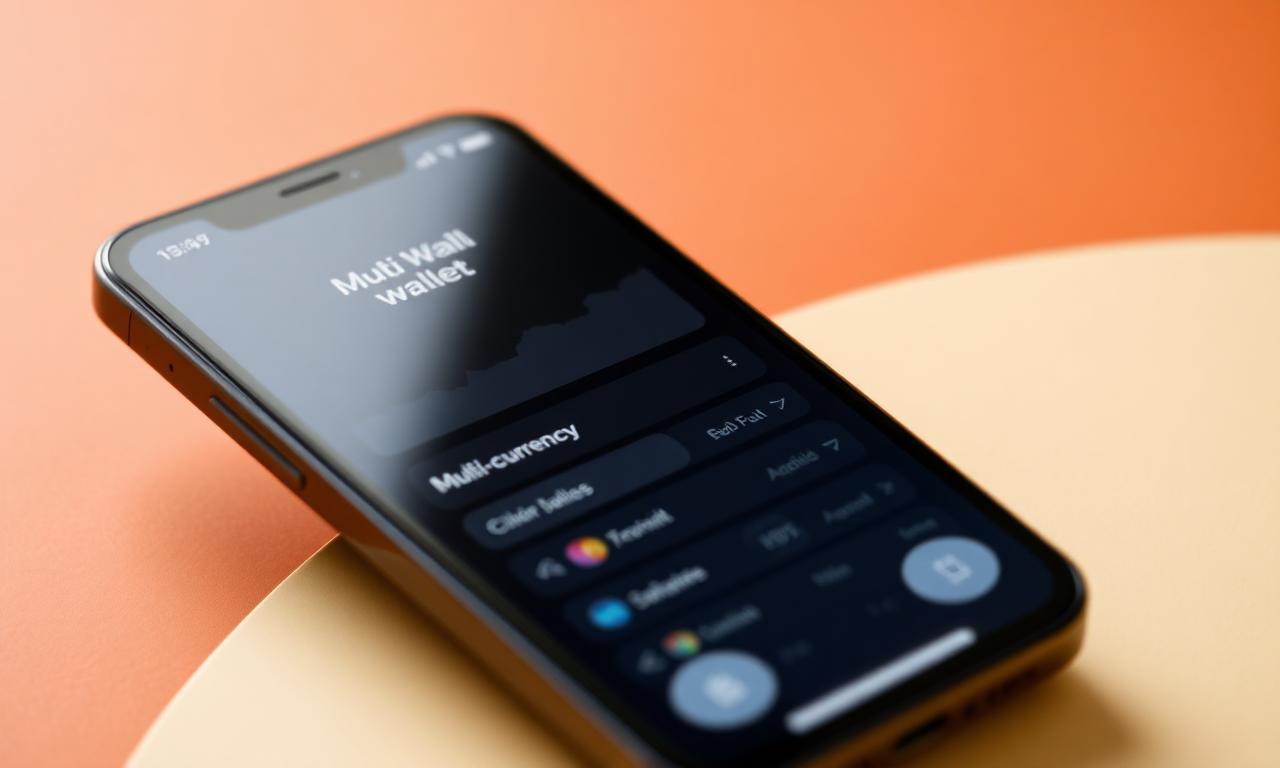
Why Stablecoins Are Quietly Powering Cross-Border Trade
Importers from Cotonou to Mombasa are settling invoices in USDC before the bank wires even clear. The reason is not ideology — it is arithmetic.
Yusuf Diop
Cashat team
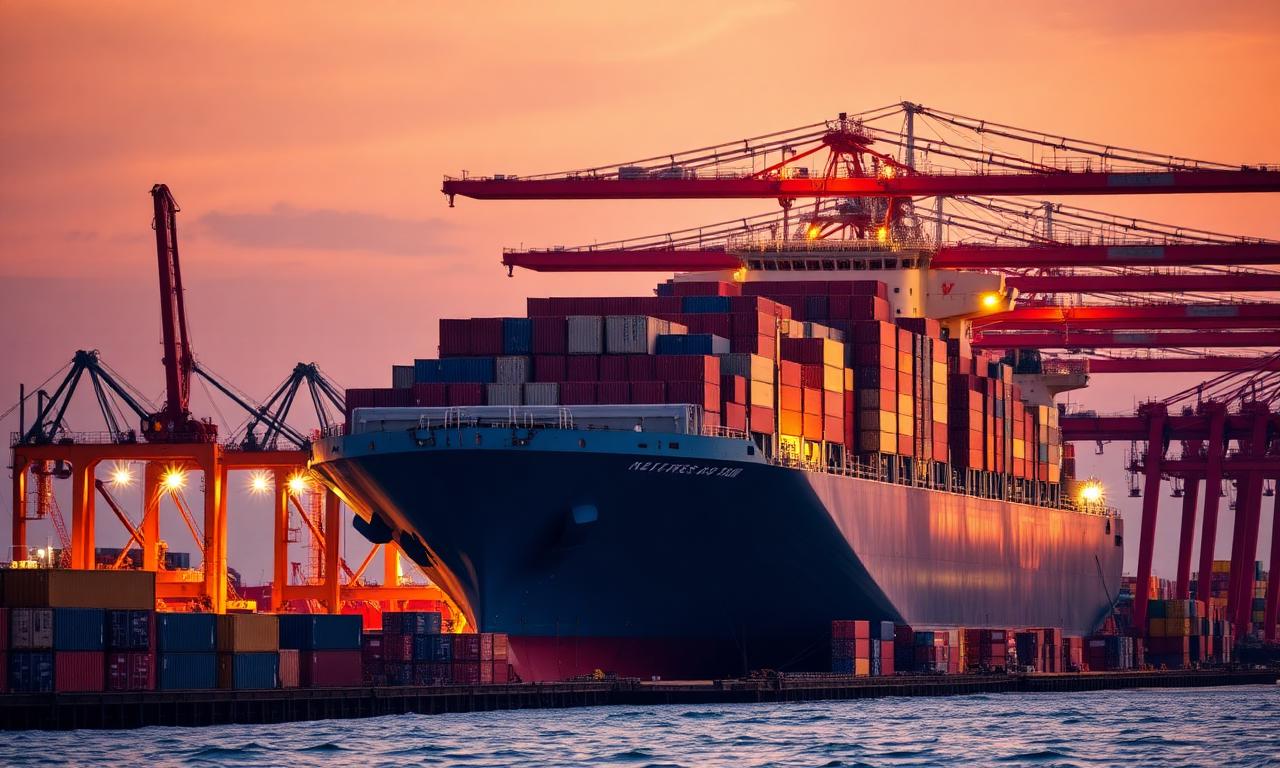
Walk through Apapa port in Lagos any morning and you will hear two languages spoken with equal fluency: Pidgin and dollar. For decades, the dollar was a problem — scarce, rationed, marked up by every intermediary between you and the central bank.
Then came the on-chain dollar
A USDC transfer from a Nigerian importer to a Chinese supplier now settles in under a minute, for fractions of a cent, with zero paperwork. The same transfer through correspondent banking takes 2–5 business days, costs 3–8% in spread, and requires a stack of forms most SMEs have never seen.
This is not theoretical. Chainalysis estimates that Sub-Saharan Africa now accounts for one of the fastest-growing slices of global stablecoin volume, and the lion's share of it is B2B settlement.
Where Cashat fits in
- Naira → USDC conversion at mid-market with full audit trail.
- Stablecoin payouts that arrive as local currency in the recipient's wallet.
- KYB once, settle anywhere — no per-corridor onboarding.
The regulatory conversation is still catching up, and it should. But the underlying flow is already real, already at scale, and already changing how African businesses think about treasury.