Inside Cashat: How We Built a Multi-Currency Wallet
The technical and product decisions behind holding NGN, KES, GHS, XOF and USDC in the same balance — without the user ever thinking about FX.
Ngozi Adeyemi
Cashat team
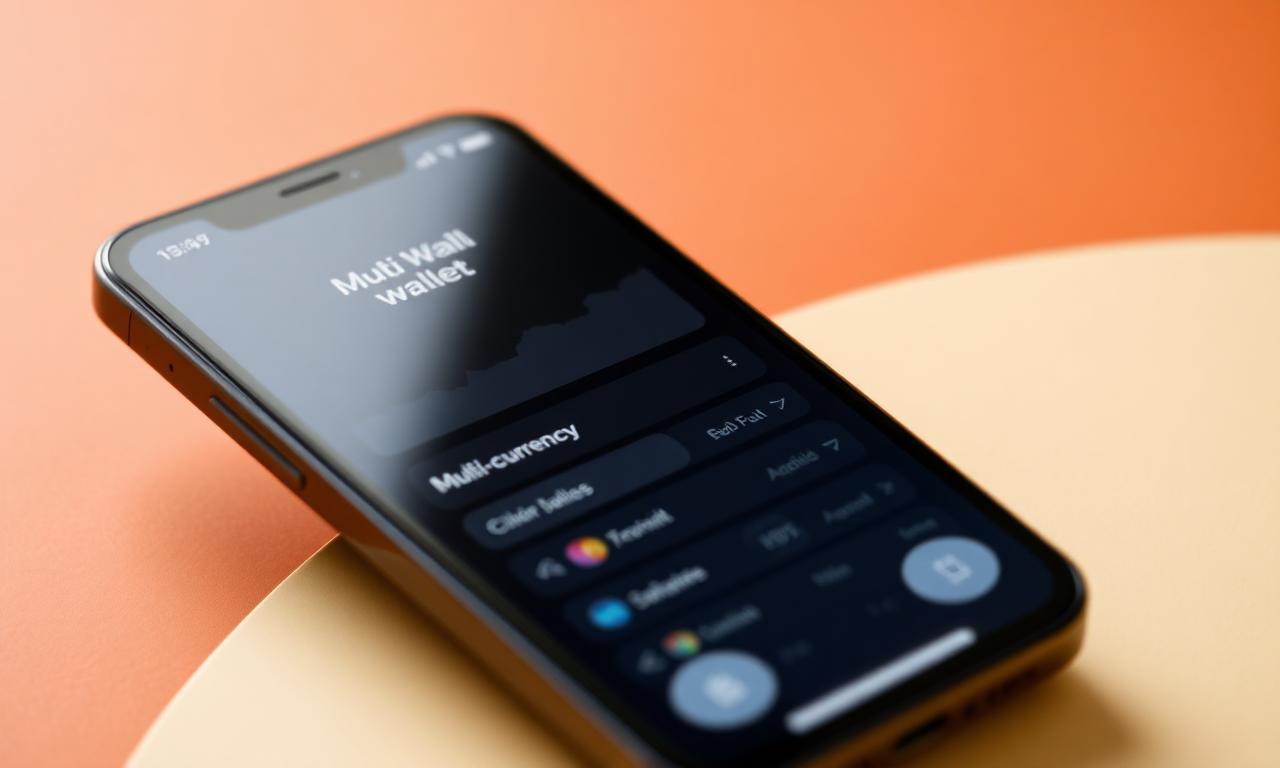
When we set out to build the Cashat wallet, the easy answer was 'one currency per country, switch on login'. The honest answer was harder: the average African user already lives a multi-currency life. They receive XOF, hold USDC, spend NGN. We had to design for the life they actually lead.
The ledger problem
Most fintechs run a single-currency ledger and treat anything else as a synthetic balance. We rejected that model. Every wallet in Cashat is a true multi-currency account, with each balance settled and reconciled against a regulated partner in that jurisdiction.
The UX problem
Holding five currencies is meaningless if the user has to think about five currencies. Our home screen shows a single primary balance — converted at mid-market — with the underlying composition one tap away. Send flows auto-route across the cheapest available rail; the user just sees the recipient and the amount.
- Single ledger, multiple settlement partners
- Mid-market FX surfaced at every touchpoint
- Routing engine that prefers stablecoin rails when they undercut bank rates
It took us 14 months to ship the first version. We rewrote the routing engine three times. We would do it again.