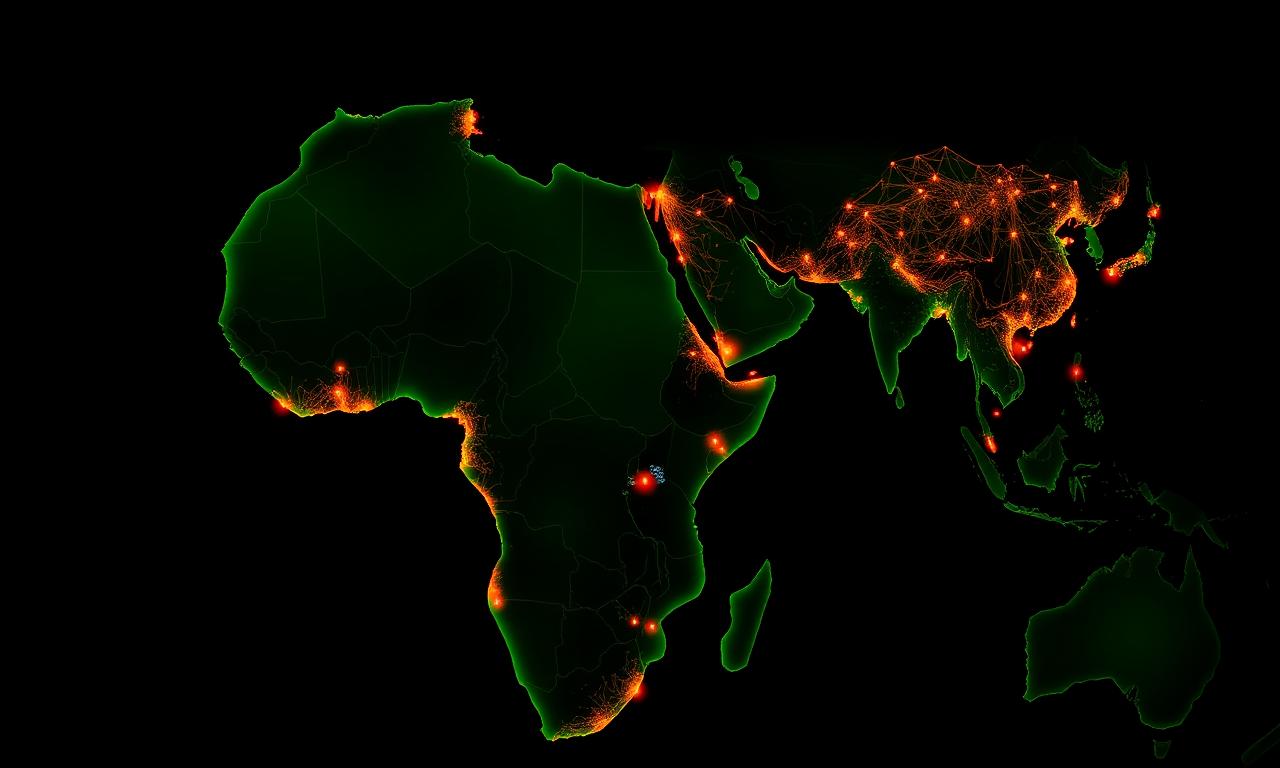
Agent Banking: The Last Mile of Financial Inclusion
The kiosk at the corner of your street is the most important piece of African fintech infrastructure. We need to start treating it that way.
Kwame Mensah
Cashat team

There is a woman in Kumasi named Akosua who runs a small mobile money kiosk between a tailor and a phone-repair shop. On a good day, she processes more cash than the bank branch a kilometre away. She has no computer. She has a phone, a logbook, and a queue.
The economics of the kiosk
Agent banking works because it solves three problems banks have never solved at this scale: trust, proximity, and liquidity. Akosua knows her customers by name. She is open when the bank is closed. And she keeps physical cash that customers can actually withdraw.
But the agent model is fragile. Float management is manual, commissions are squeezed, and agents often juggle three or four different operator apps on the same phone.
What the Cashat Agent app does differently
- One app, every currency and corridor
- Real-time float visibility with auto-rebalance suggestions
- Commission paid out instantly, not at month-end
If we get this right, Akosua's kiosk does not just survive the next decade — it becomes the most important branch in her city.