
Merchant QR Payments Are Replacing POS Terminals
The humble printed QR sticker has quietly become Africa's most successful point-of-sale device. Here is the story of how that happened.
Tendai Moyo
Cashat team
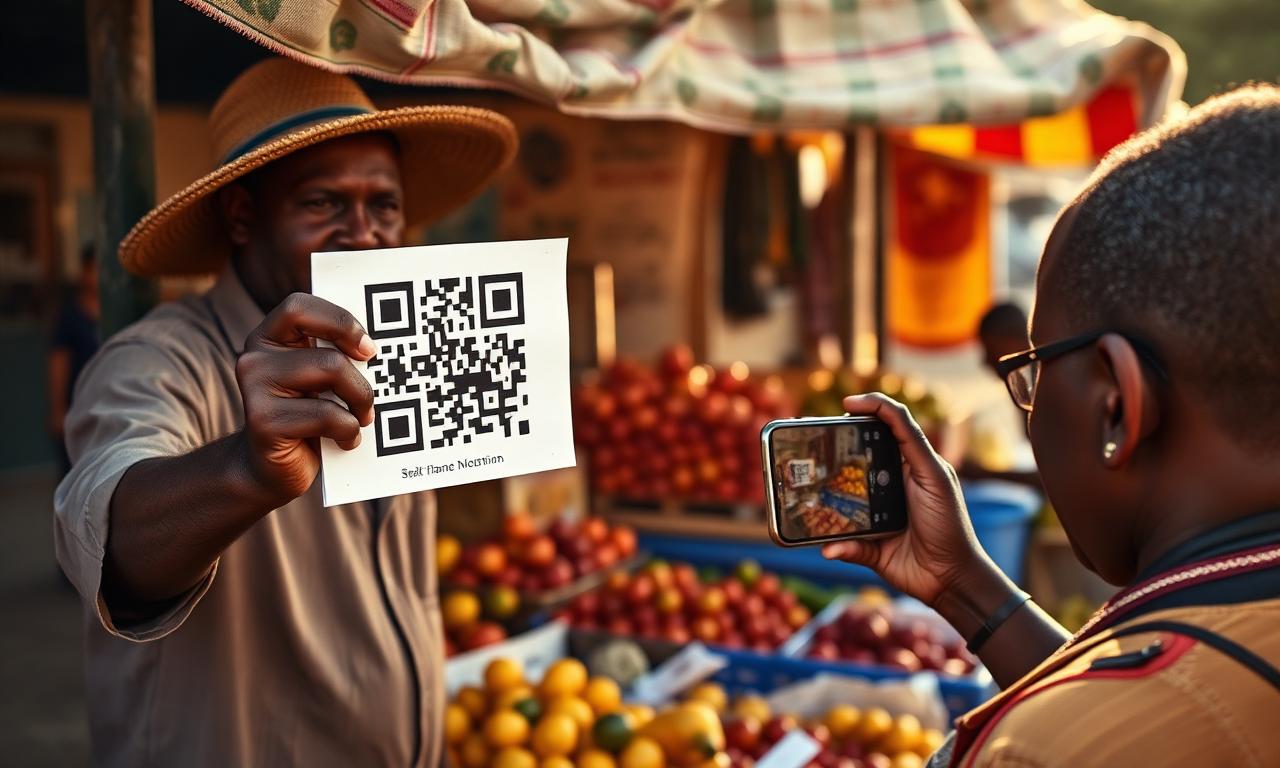
Ask a Lagos street vendor about their point-of-sale device, and they will pull a laminated piece of paper from under the counter. On it: a QR code, a phone number, and a name. Cost of deployment: roughly $0.50. Uptime: 100%.
Why QR won
Traditional POS terminals require power, connectivity, paper rolls, certified hardware, and a settlement bank. QR codes require none of these. The cost of accepting a digital payment dropped to effectively zero — and the merchant base exploded as a result.
What changes next
- Cross-network QR: any wallet scans any code
- Embedded refunds, receipts, and loyalty in the same flow
- Settlement to the merchant's currency of choice, including USDC
The Cashat Merchant app treats the QR sticker as the primary product, with everything else — analytics, payouts, links, invoices — built around it. The sticker is small. The leverage is enormous.