
Livestock as Collateral: Reimagining Rural Credit
A pilot in northern Kenya is testing whether a goat can be a credit score. The early results are more interesting than you would expect.
Amina Hassan
Cashat team
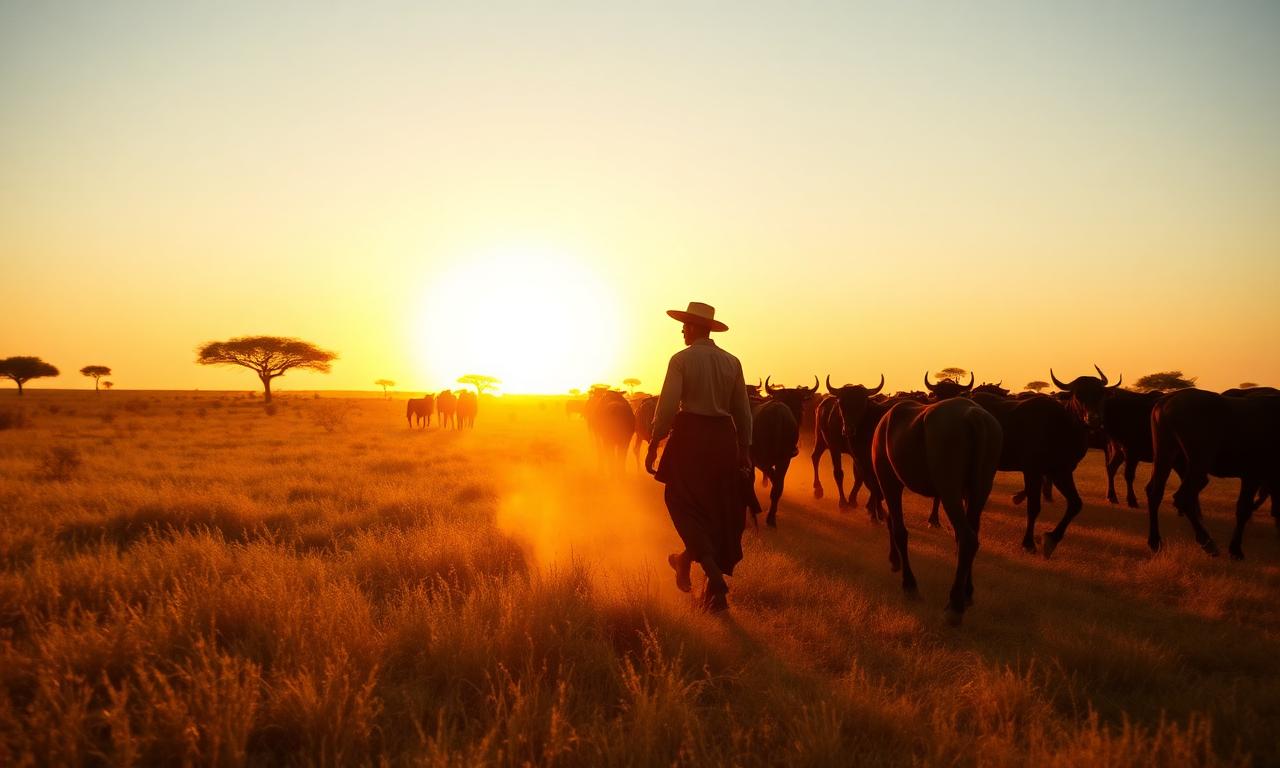
In much of rural Africa, wealth is measured in livestock. A herder with 40 cattle is, by any reasonable definition, asset-rich. But ask a bank for a loan against those cattle, and you will be politely shown the door.
Tokenised herds
A growing number of pilots — including one Cashat is observing in northern Kenya — are experimenting with tokenising livestock as on-chain collateral. RFID ear tags, veterinary inspections, and satellite-verified grazing patterns combine to produce a verifiable, insurable asset record.
The early credit results are striking. Default rates among tokenised-herd borrowers are running well below comparable unsecured rural credit, and the cost of capital is meaningfully lower.
What this unlocks
- Productive credit for pastoralist communities historically excluded from formal finance
- Insurance products priced against verifiable herd health
- Marketplaces where a goat in Marsabit can settle a debt in Mombasa
It is early. It might fail. But it is the kind of failure that, if it works, rewrites a chapter of African finance.